Home ventilation and MVHR installation in Essex & Suffolk
Fresh air for your home.
More of your warmth retained.
Plan a quieter, fresher home with ventilation designed around the way you live.
From bungalow retrofits to new builds, What Climate helps you understand the options, the duct routes and the work involved.
Local installation across Essex & Suffolk
Planned duct routes · Airflow balancing
Your Priorities
What would you like to improve?
Condensation after showers
persistent bathroom moisture can be a sign that extraction needs attention.
Stuffy bedrooms
consider how fresh air reaches occupied rooms, especially overnight.
A renovation or new build
plan ventilation while access and duct routes are easier to arrange.
A home with improved insulation
ventilation should be considered alongside changes to airtightness.
Tell us what you have noticed. We will look at the property and recommend a suitable approach. Condensation-related moisture can benefit from better ventilation; leaks, penetrating damp and other building defects need their own investigation.
The Essentials
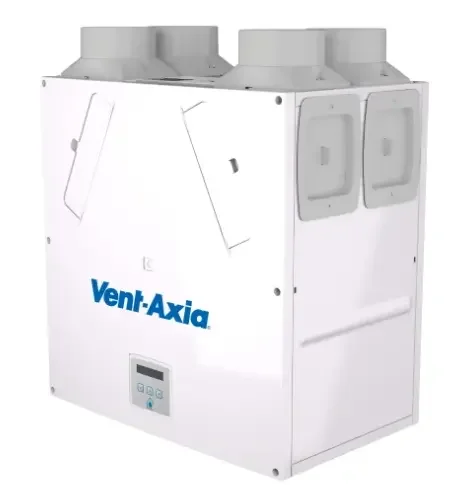
How heat recovery ventilation works
Mechanical ventilation with heat recovery, usually shortened to MVHR, supplies filtered outdoor air to bedrooms and living spaces while extracting air from bathrooms, kitchens and utility rooms.
The two air paths pass through a heat exchanger. Heat from the outgoing air transfers to the incoming air, reducing ventilation heat loss. The extracted household air is discharged outdoors rather than deliberately recirculated into the supply.
In everyday use, the system runs continuously at its commissioned setting, with extra ventilation available when needed. Controls and sensors depend on the chosen model.
Heat recovery reduces ventilation heat loss. It does not recover all the heat, and a heat-recovery percentage is not the same as a percentage saving on your heating bill.
Suitability
Will MVHR work in your home?
New builds and major renovations
an opportunity to coordinate ductwork with the structure, insulation and other services before finishes go in.
Bungalows
loft access can offer useful routes, subject to space, access, insulation and the position of rooms.
Existing two-storey homes
possible in suitable properties, but routes between floors, ceiling access and any boxing-in need careful planning.
Homes with limited duct space
a targeted extract or decentralised heat-recovery solution may be worth assessing instead.
Our survey considers the layout, existing ventilation, airtightness, room use, unit location, external openings, drain route and access for filters. We also discuss what you are comfortable changing inside your home.
Not sure where to start? Send a floor plan or a few photos and your postcode. We can discuss the next step before arranging a visit.
Your Options
Choose the approach that fits the property
| Approach | What it does | When to consider it |
|---|---|---|
| Whole-home MVHR | Supplies and extracts air through planned ductwork, with heat recovery | Consider for suitable homes where duct routes and airtightness support it. |
| Continuous extract ventilation MEV | Continuously extracts air from wet rooms, with replacement air provided through a planned ventilation strategy | Consider where whole-home heat recovery is impractical. |
| Individual extract fans | Target extraction in a bathroom, kitchen or utility room | Consider for local problems as part of the home's overall ventilation provision. |
| Decentralised heat recovery | Provides heat recovery through one or more room-based units | Consider where a central ducted system is difficult; whole-home suitability still needs assessment. |
You do not need to choose a product before contacting us. We start with what the home needs.
Installation Quality
Quiet operation starts with the installation
A good unit needs a good installation. We consider where it will sit, how vibration is controlled and how sound could travel through the ductwork.
Room-by-room airflow
plan supply and extract around the home rather than relying only on the unit's maximum capacity.
Duct routes and sizing
consider resistance, bends and access so the system can deliver the required airflow.
Acoustic treatment
allow for suitable silencers and positioning, including bedrooms and neighbouring rooms.
Insulation and sealing
specify duct insulation and vapour sealing where required by the design and manufacturer, especially in unheated spaces.
Filters you can reach
plan space for routine care, not just space to fit the unit.
Measured airflow
check and balance the room terminals during commissioning. A system running does not, by itself, prove that every room receives its intended airflow.
From Survey to Handover
What installation involves
1. Tell us about your home
share the location, property type and what you want to improve. Plans and photos help.
2. Survey and route planning
assess access, discuss unit and grille positions and identify any likely boxing-in or opening-up.
3. A clear proposal
set out the recommended system, installation scope and the work included in the quotation.
4. Installation
fit the agreed unit, ductwork, terminals and controls, with connections and associated work as specified.
5. Commissioning and handover
set and check airflow, demonstrate the controls and explain filter care.
For an occupied home, the main disruption usually relates to duct access, openings and any necessary finishing work. We agree the proposed routes and discuss responsibility for making good before work starts. Installation time depends on the property and scope; it is set out with the proposal.
Planning Your Budget
What does home MVHR installation cost?
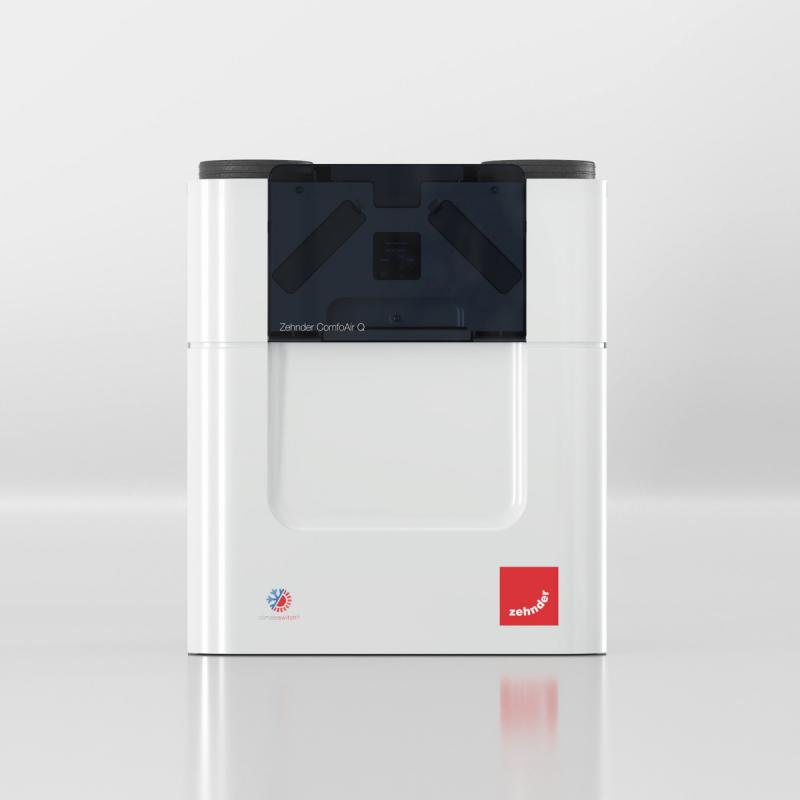
The unit is only part of the installation cost. A useful quotation also needs to account for ductwork, acoustic treatment, controls, external openings, connections and commissioning.
The main cost factors are the number of rooms, the route between floors, available access, unit and filter specification, finishing requirements and any electrical or building work.
We quote for the property and the agreed scope. Your proposal should make clear what is included, any exclusions and how VAT is treated, so you can compare the complete installation.
To start a cost discussion, send your postcode, property type, number of bedrooms and a floor plan if you have one.
Request a home ventilation quotation
How to compare quotes: Ask about duct insulation, acoustic treatment, airflow balancing, filter access, making good and the written information provided at handover. Check who is responsible for electrical connections and any building-control requirements.
Specification
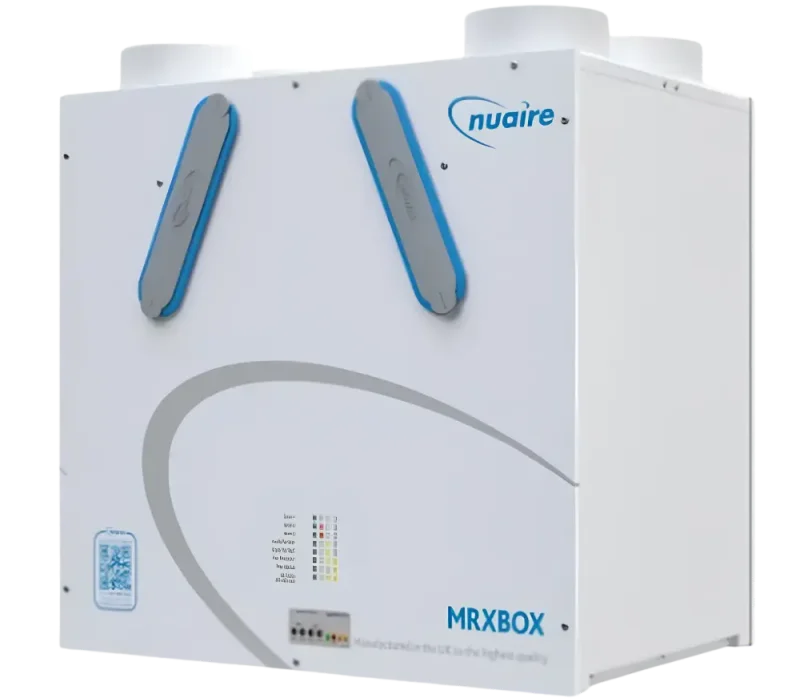
Choose the system around the home
The best choice depends on the airflow needed, installation space, sound performance, filter options and controls. We discuss these together rather than selecting on a headline heat-recovery figure alone.
Humidity-responsive boost, summer bypass and higher-grade filtration may be available, depending on the unit and accessories. We explain what is included in the recommended specification and what it means for ongoing maintenance.
If outdoor pollen or traffic pollution is a concern, mention it at the survey so the intake position and available filter options can be considered. Filtration performance depends on the filter specification and proper maintenance.
CLOSE TO HOME
Local installation across Essex and Suffolk
Based in Harwich, What Climate covers Colchester, Clacton-on-Sea, Manningtree, Brightlingsea, Dedham, Halstead, Braintree and Chelmsford, as well as Ipswich, Felixstowe, Sudbury and Woodbridge and surrounding towns and villages.
Whether you are planning a bungalow upgrade, renovating a family home or discussing ventilation with your builder, send us your location and plans. We will talk through the next step.

Useful Answers
Your home ventilation questions answered
Can MVHR be fitted in an existing house?
Often, but it depends on the property. Loft access, routes between floors, space for the unit and the extent of opening-up are important. We assess these before proposing a ducted system.
Will it help with condensation and mould?
Ventilation can help remove moisture generated inside the home and reduce condensation risk. It will not repair a leak, fix penetrating damp or remove existing mould. The cause of the problem needs to be understood.
Will I hear it in the bedrooms?
Sound depends on the unit, fan setting, ductwork, terminals and acoustic treatment. We consider bedroom routes and noise during planning. Boost operation can be more noticeable than normal operation.
Can I still open my windows?
Yes. MVHR provides continuous background ventilation, but you can still open windows. Opening them in cold weather increases heat loss; suitable window ventilation can also help with summer comfort.
Does MVHR heat or cool the house?
Standard MVHR recovers existing heat; it does not replace your heating system or provide active air conditioning. Summer bypass can avoid unwanted heat recovery when conditions allow, but it is not a substitute for cooling.
How much electricity does it use?
It depends on the selected unit, commissioned airflow, duct resistance and time spent on boost. Ask us to discuss the specified fan power, your tariff and filter costs alongside any potential heating-energy benefit.
How often do filters need changing?
Follow the selected manufacturer’s instructions. The interval depends on the unit, filter and local conditions. We explain access and routine care at handover. Restricted filters can affect performance.
Do I need to make my house airtight first?
Airtightness affects how much air bypasses the heat exchanger through uncontrolled leakage. We consider the building condition and any planned improvements. There is no single suitability answer for every existing home.
Where does the unit go?
Possible positions include a suitable cupboard, utility area or accessible loft, depending on the unit. It needs appropriate mounting, connections and maintenance clearance; condensate drainage must also be considered where required.
What building regulations apply?
The applicable ventilation requirements depend on the project and the regulatory standards it falls under. Design, installation and commissioning need to be considered together, with building control involved where required.
Do I need to connect my cooker hood to it?
Do not assume a conventional cooker hood should connect to MVHR. Kitchen extraction and any cooker-hood arrangement need to follow the system design and manufacturer’s instructions.
What should I send for a quotation?
Your postcode, property type, bedroom count and a short description of the project are a useful start. Floor plans and photos of possible unit locations or loft access help us assess the next step.
Let’s Talk About Your Home
Let’s plan better ventilation for your home.
Tell us about your home and what you would like to improve. We will review your enquiry and contact you to discuss suitability, the likely installation approach and the next step. You do not need to know which unit to buy.